

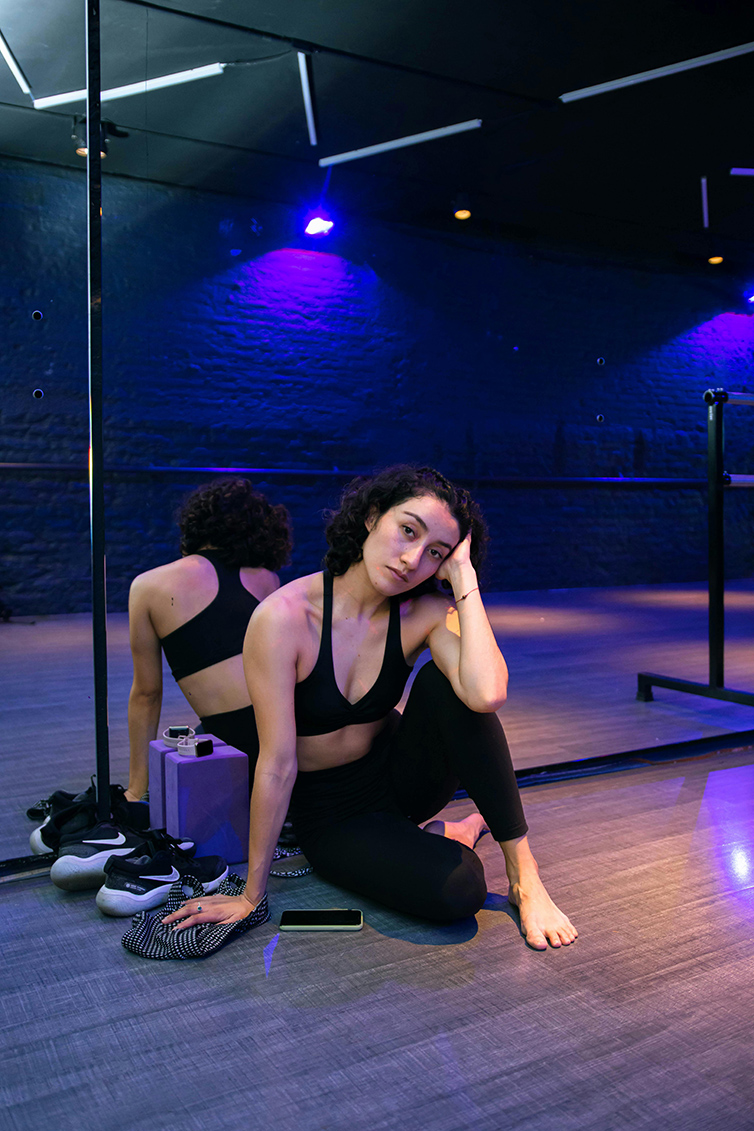
Since the pandemic, conversations around wellness and health have surged, focusing on staying well and caring for one’s physical and mental health. While this discussion initially seemed beneficial, recent findings suggest a different reality.
According to the 2024 Global Wellbeing Report by Lululemon, nearly 1 in 2 people are experiencing “wellbeing burnout,” and almost 60% feel pressured by societal expectations to appear well. This pressure, rather than motivating people to improve their health, is actually reducing their motivation and negatively impacting overall wellbeing. The growing expectation to look and feel “well” is detracting from true wellbeing goals; in fact, global wellbeing levels have remained stagnant over the last four years.
If this resonates with you, here are a few strategies to help break free from this cycle:
1. Join a Wellness Community:
Those involved in wellness communities are more likely to stay committed to their wellbeing journey. Participating in local running clubs or joining sports groups and communities, for instance, not only boosts motivation but also fulfils social needs by building connections and a shared sense of purpose.
2. Start Small, But Start:
Often, we avoid wellness activities because we underestimate their impact. However, studies show that even simple actions like stretching for 30 minutes or taking a post-meal walk can meaningfully improve wellbeing.
3. Focus on Personal Progress:
A deeper approach is to remove yourself from societal comparisons and measure your progress only against your past self. This mindset shift helps alleviate external pressure and refocuses on meaningful personal wellbeing. A starting step could be to take a break from social media, which has been known to increase wellbeing in the past.
By taking these steps, you can shift from a surface-level approach to a more sustainable, authentic wellbeing journey—one that’s focused on personal growth rather than meeting societal expectations.
Cover Credits : pexels